Traditional Chinese Cuisine
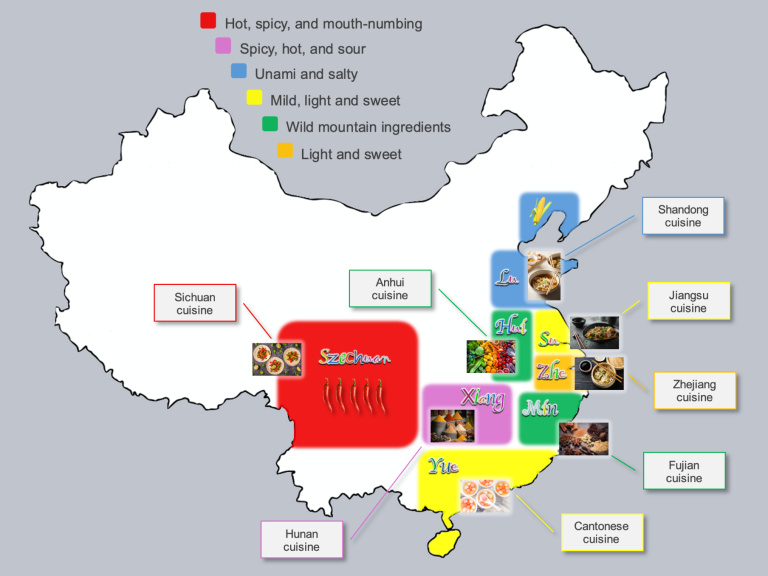
The "8 Chinese Cuisines"
Shandong, Sichuan, Guangdong, Jiangsu, Zhejiang, Fujian, Hunan, Anhui.
How do you feed a billion people?
China is a country with a population of more than a billion people. It is simply mind-blowing to begin to understand how this nation is even capable of feeding so many. Yet it does. And it does it very well.
Big isn't always better
China is the world's fourth largest country in terms of geographical size. Unfortunately, much of the country is uninhabitable due to the harsh conditions that prevail in the deserts and mountain regions.
The influence of culture and tradition
For 3,500 years, most of the population has lived either in the east or south of the country. Cultural traditions and local customs have resulted in regional differences in the way food is grown, cooked and eaten across the country.
From 4 to 8 in no time at all
For hundreds of years, four main cuisines prevailed: Shandong, Sichuan, Guangdong and Jiangsu but by the end of the Qing Dynasty (1911) four new cuisines had appeared: Zhejiang, Fujian, Hunan, and Anhui cuisines.
The 8 Genres of Chinese Cuisine
Eight Chinese Cuisines 1-4
For hundreds of years China had four established genres of cuisine
Unami and salty
Lu (Shandong) Cuisine
Lu (Shandong) Cuisine has a history of 2,500 years. Its origin lies in the Spring and Autumn Period (770 - 476 BC). It is seen as the No.1 of 8 great cuisines as it is the only self-originated genre. Popular in China’s Shandong Province and Southern Liaoning Province (where my adopted home city of Anshan is located), chefs place great importance on quality ingredients and retention of natural flavours. Soup, noodles, tofu, sweet potato, pork, poultry, lamb, beef, and sea food play an important role in Lu cuisine where authentic dishes taste fresh, umami, and moderately salty.
Hot and spicy
Sichuan (Szechuan) Cuisine
Sichuan (Szechuan / Chuan) Cuisine is probably the most popular cuisine in China. Dishes are mouth-numbingly hot and super-spicy. Sichuan chefs use seasonings of various species of peppers, chilis, garlic, and bean paste. This is the soul of Sichuan cuisine. Hot Pot is the single most popular Sichuan dish and a big favourite across the whole of China; very often the first choice when organising dinner with friends.Other popular dishes include sliced pork in hot chili oil, sliced beef and ox organs in chili sauce, ma po tofu, and boiled chicken with soy sauce
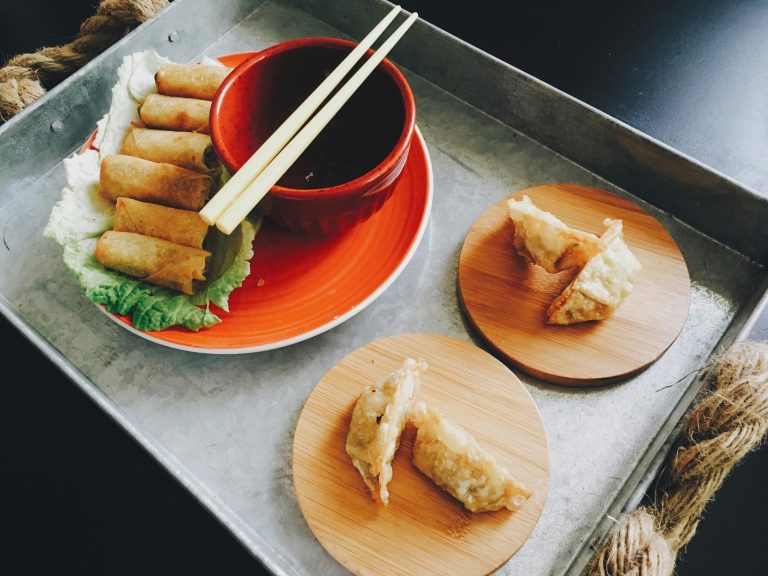
Mild, sweet and light
Yue (Cantonese) Cuisine
Yue (Cantonese / Guangdong) Cuisine is enjoyed around the world and is the global ambassador of Chinese cuisine. Cooking methods are creative, complex, and flexible. Most Cantonese dishes are mild and fresh to the taste, preserving the natural flavours of the food. Ingredients include poultry, sea food, pork, lamb, beef, and various vegetables and fruits. Favourite Cantonese dishes include white cut chicken and Cantonese roast goose.
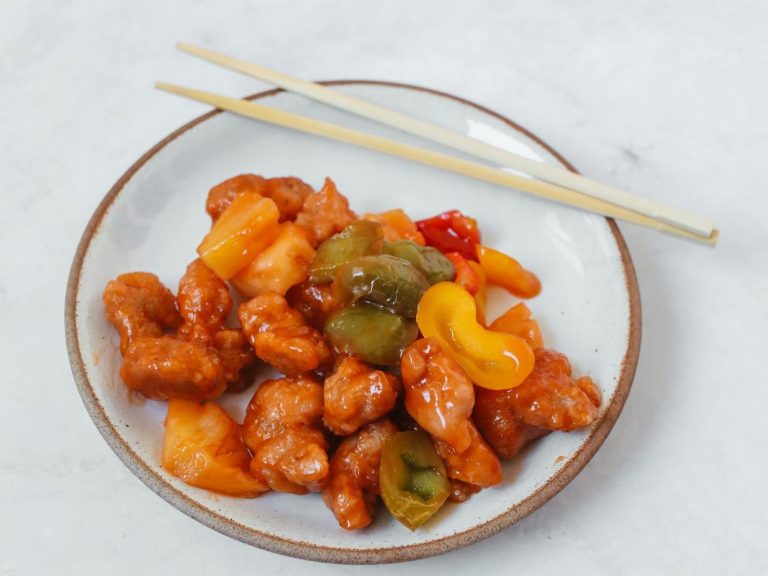
Mild, sweet and light
Su (Jiangsu) Cuisine
Su (Jiangsu) Cuisine typifies the South China food style, and is famous for its lightly sweet, umami, natural, mild taste and ornate appearance. Su dishes aim to preserve much of the food’s original flavour, which are mainly freshwater fish, river fish, and sea food. Chefs demonstrate high level skills in the cutting of the meat and precise control of heat during the cooking process. In local restaurants Su dishes are always served delicately.
The 8 Genres of Chinese Cuisine
Eight Chinese Cuisines 5-8
By the end of the Qing Dynasty four new cuisines had appeared.
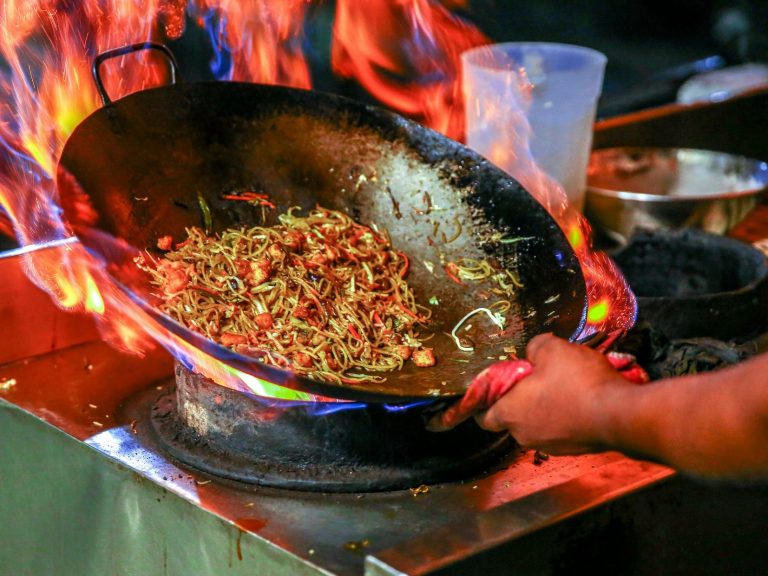
Light and sweet
Zhe (Zhejiang) Cuisine
Zhe (Zhejiang) Cuisine is lightly seasoned with an attractive appearance. Chefs are strict when selecting ingredients, insisting on absolute freshness. Common ingredients include sea food, freshwater fish, and seasonal vegetables. Zhe cuisine is reputed for its varied cooking methods, however, pan frying is the most frequently used. Favourite dishes include west lake fish in vinegar gravy, fried shrimps with Longjing tea, Dongpo pork, braised bamboo shoots, and deep-fried bean curd rolls.
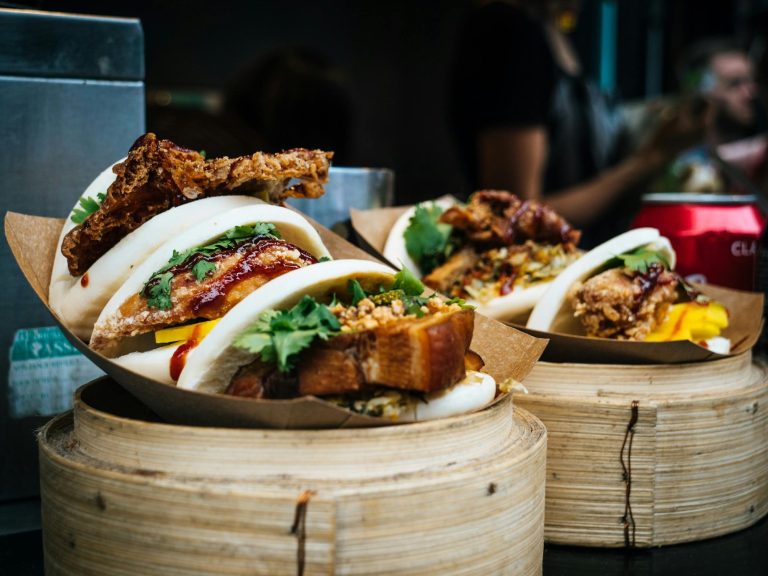
Wild and natural
Min (Fujian) Cuisine
Min (Fujian) Cuisine is generally light, fresh, mellow and non-greasy. Ingredients are rich and use meats from both land and sea. Seasoning includes red vinasse, sugar and vinegar. Like Su cuisine, Min cuisine also places great importance on meat cutting techniques. Favourite Fujian dishes include Buddha jumps over the wall, braised sea clam with chicken soup, sweet and sour litchis, sliced whelk in red vinasse, Fuzhou fish balls, and oyster omelette.
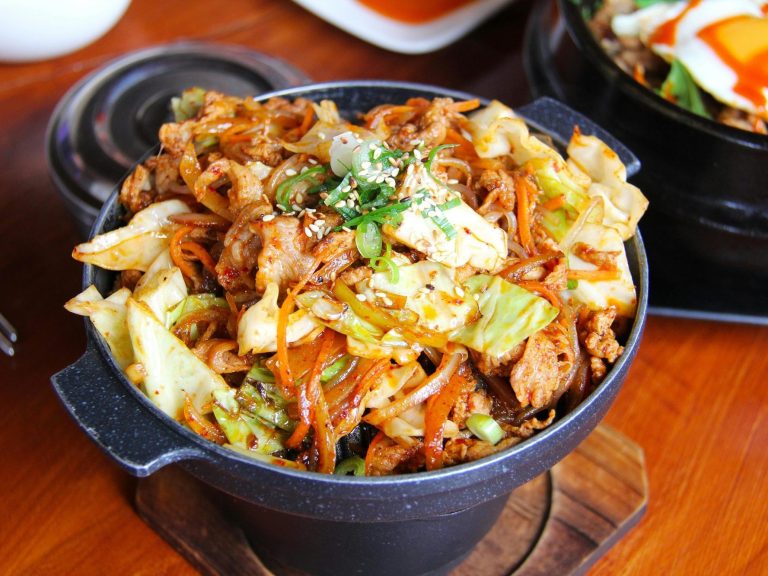
Hot and spicy
Xiang (Hunan) Cuisine
Xiang (Hunan) Cuisine, like Sichuan, is another cuisine popular throughout China due to its spicy taste. Hunan people are creative and known for inventing flavours that numb the taste buds. They also enjoy a variety of pickled vegetables and preserved meats. Favourite Xiang dishes include steamed fish with chopped chili, steamed preserved meat, Chairman Mao’s red braised pork, fried pork with chili, spicy lobster, Changsha stinky tofu, Hunan rice noodles, and spicy salted duck.
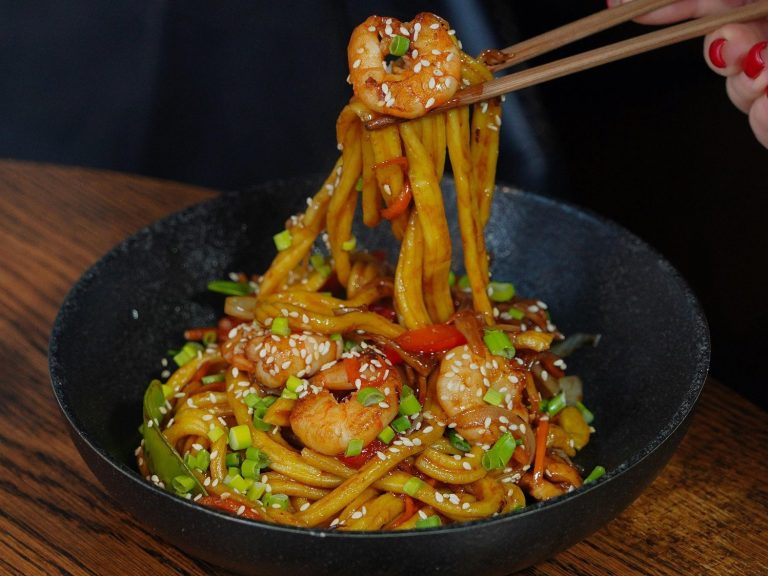
Wild and natural
Hui (Anhui) Cuisine
Hui (Anhui) Cuisine tastes salty, fresh, and light. Dishes have a unique flavour of ingredient combinations and attach great importance to nutrition and dietetic invigoration. Multiple, natural ingredients are matched scientifically to feed and nourish the body. Favourite Hui dishes include stinky mandarin fish, fried hairy tofu, steamed partridge, stewed bamboo shoots of Wenchang mountain, Huangshan stewed pigeon, Li Zhongzheng chop suey, and stewed soft-shelled turtle.